
Surgical Services

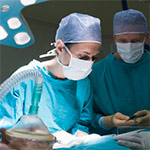
Some members of our Three Rivers surgery team, from left: Boris Sanchez, Surgical Technician; Dr. Eric Ebaugh, General Surgeon; OR Manager Michelle Welton, RN; Eroca Crofoot, RN; Eric Mathison, CRNA; Jennifer Brandt, RN; and Julio Perez, Surgical Technician.

About Us

Our surgical services are designed to deliver safe, patient-centered care. Our experienced surgical team is a highly coordinated group of medical professionals who work together with precision, discipline, and trust to ensure the best possible outcome for our patients. From pre-operative planning through post-operative recovery, our focus remains on minimizing risk, reducing recovery time, and supporting each patient’s overall well-being.

Our surgical specialties include general, orthopedic, and gynecology surgery. For more information about our surgeons please visit brewsterclinic.org/providers/.

General Info

Need to schedule an appointment or have questions about your upcoming surgery?

Please contact:
Your Clinic or Provider

Surgical Team

Each member – from the lead surgeon to the Certified Registered Nurse Anesthetist (CRNA), registered nurses, and surgical technologists – plays a critical role, contributing specialized expertise while maintaining constant communication. Our success depends not only on technical skills, but also on teamwork, preparation, and the ability to respond swiftly to unexpected challenges.

Anesthesia Options

These vary depending on your procedure and health and will be discussed on the day of your surgery with your qualified CRNA.

  1. Local Anesthesia
    1. Numbs a small, specific area of the body.
    2. You stay fully awake
    3. Common for stitches and minor skin procedures
  2. Sedation (Conscious or IV Sedation)
    1. Helps you relax; you may feel sleepy or not remember much
    2. You’re technically awake but very calm
    3. Often combined with local anesthesia
    4. Common for colonoscopies
  3. Regional Anesthesia
    1. Numbs a larger part of the body (like an arm or lower body)
    2. You may be awake or slightly sedated
    3. Types include Spinal blocks or Nerve Blocks
  4. General Anesthesia
    1. You are completely unconscious.
    2. Used for major surgeries
    3. Requires airway support and close monitoring.

How to Prepare for Surgery

The Day Before Surgery

  • Follow fasting instructions exactly (usually no food after midnight, clear liquids may vary-confirm with your provider).
  • Review medications
    • Take only what your doctor approved.
    • Stop blood thinners, supplements, or anti-inflammatories if instructed.
  • Shower as directed (often with antibacterial soap)
  • Pack a small bag:
    • ID, insurance card
    • Phone + charger
    • Medications, CPAP machine if instructed.
  • Arrange transportation (you can NOT drive yourself home)
  • Set up recovery space at home (water, snacks, meds, pillows, easy access items).
  • Get a good night’s sleep (as much as possible)

Morning of Surgery

  • Do NOT eat or drink unless explicitly told otherwise.
  • Take approved medications with a small sip of water (if instructed).
  • Brush teeth, but don’t swallow water.
  • Wear loose, comfortable clothes (nothing tight or hard to remove).
  • Leave valuables at home (jewelry, cash, etc.)
  • No lotions, perfumes, or deodorant.
  • Bring glasses vs contacts.

Recovery – This varies a lot depending on the type of procedure, your overall health, and your doctor’s specific instructions, but there are general principles most people should follow.

  • Follow your surgeon’s instructions closely.
    If you were given discharge papers or told specific restrictions, stick to those exactly.
  • Manage pain safely.
    Take prescribed medications as directed. If you are using over-the-counter options like Ibuprofen or Acetaminophen, make sure they don’t conflict with anything else you are taking. Don’t wait until pain is severe – staying ahead of it helps recovery.
  • Take wound care seriously
    Keep the incision clean and dry unless told otherwise. Watch for signs of infection and contact your provider if you notice any of these:
    • Increasing redness or swelling
    • Pus or unusual drainage
    • Fever
    • Worsening pain instead of improvement.
  • Rest, but don’t stay completely still.
    Your body needs rest to heal, especially in the first few days. But light movement (like short walks) helps prevent complications such as blood clots and supports circulation-unless your doctor told you to avoid it.
  • Eat and hydrate well
    Focus on:
    • Protein (helps tissue repair)
    • Fruits and vegetables (vitamins and fiber)
    • Plenty of water
  • Avoid strain
  • Watch for red flags
  • Seek medical care if you have:
    • Chest pain or trouble breathing
    • Severe or uncontrolled pain
    • High fever
    • Sudden swelling in legs
    • Persistent vomiting
  • Gradually return to normal activity.